
As the seasons change in West Babylon, NY, your home's locks and security systems face different challenges from extreme weather conditions, temperature fluctuations, and seasonal use patterns. Just like you prepare your home for winter or summer, your locks and security hardware need regular seasonal maintenance to ensure they continue protecting your family and property effectively. Many homeowners don't realize that neglecting lock maintenance can lead to costly repairs, lockouts, and security vulnerabilities. This comprehensive guide will walk you through essential locksmith maintenance tasks for each season, helping you keep your home secure and your locks functioning smoothly year-round.
Why Seasonal Lock Maintenance Matters
Your locks work hard every single day, enduring constant use, exposure to the elements, and the wear and tear of daily life. West Babylon experiences distinct seasons with hot, humid summers and cold, sometimes harsh winters. These weather extremes can significantly impact your lock mechanisms, door frames, and security hardware.
Regular seasonal maintenance helps prevent common problems like frozen locks in winter, corroded mechanisms from summer humidity, sticky locks from pollen in spring, and loose hardware from temperature fluctuations in fall. By dedicating just a small amount of time to lock maintenance each season, you can avoid emergency lockout situations, extend the life of your locks, and maintain the security integrity of your home.
Moreover, preventive maintenance is always more cost-effective than emergency repairs. A well-maintained lock can last for decades, while a neglected one might fail when you need it most. Insurance companies also appreciate homeowners who maintain their security systems, as it demonstrates responsible property ownership and may even impact your coverage.
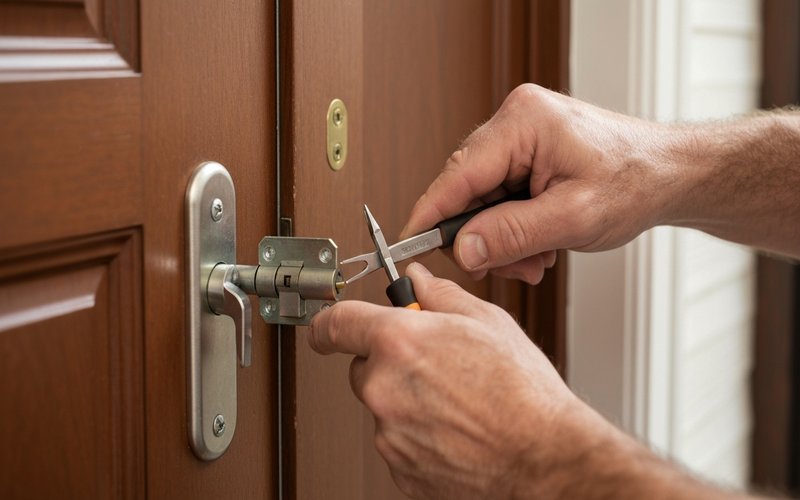
Spring Locksmith Maintenance Tips
Spring in West Babylon brings warming temperatures, increased rainfall, and plenty of pollen. This season is perfect for conducting a thorough inspection of all your locks and security hardware after the harsh winter months.
Inspect for Winter Damage
Begin by carefully examining all exterior locks and door hardware for any damage that may have occurred during winter. Look for signs of rust, corrosion, or moisture damage. Check if any locks became loose or if screws have backed out due to temperature fluctuations and freeze-thaw cycles. Pay special attention to deadbolts and strike plates, as these components take the most stress.
Test each lock to ensure it operates smoothly. If you notice any sticking, grinding, or difficulty turning the key, the lock likely needs cleaning and lubrication. Don't ignore these warning signs, as they typically worsen over time and can lead to complete lock failure.
Clean and Lubricate
Spring cleaning should extend to your locks. Remove dust, pollen, and debris that has accumulated over the winter months. Use a can of compressed air to blow out dirt from the keyway and internal mechanisms. For stubborn grime, you can use a cotton swab lightly dampened with rubbing alcohol.
Once clean, apply a graphite-based lubricant or a specialized lock lubricant to the keyway and moving parts. Avoid using WD-40 or oil-based lubricants, as these can attract dust and gum up the mechanism over time. Insert your key and turn it several times to distribute the lubricant throughout the lock cylinder.
Check Door Alignment
Winter's freeze-thaw cycles can cause door frames to shift, affecting how well your doors close and lock. Check that all doors close smoothly and that the latch bolt properly engages with the strike plate. If you notice gaps, scraping, or difficulty latching, you may need to adjust the strike plate or hinges. Proper alignment is crucial for security and prevents unnecessary wear on lock components.
Test Smart Lock Batteries
If you have smart locks or electronic access systems, spring is an excellent time to check battery levels and replace them if needed. Cold winter temperatures can drain batteries faster than expected. Most smart locks will alert you when batteries are low, but it's better to be proactive and replace them before they die completely.
Summer Locksmith Maintenance Considerations
West Babylon summers bring heat, humidity, and increased home activity with vacations and outdoor living. These factors create unique maintenance needs for your locks and security systems.
Combat Humidity and Moisture
High humidity can cause metal lock components to corrode and wooden doors to swell. This swelling can make locks difficult to operate and may even cause keys to break if forced. Ensure all exterior locks have adequate weather protection through properly installed door overhangs or storm doors.
For locks that show signs of moisture exposure, apply a thin coat of silicone spray to exterior surfaces to create a protective barrier. Check weatherstripping around doors to ensure water can't seep in and affect lock mechanisms. Consider upgrading to weather-resistant locks for particularly exposed doors.
Vacation Security Preparation
Before leaving for summer vacation, perform a security check of all entry points. Test every lock to ensure it's functioning properly – the last thing you want is to worry about a faulty lock while you're away. Lubricate any locks that feel stiff or sticky.
Consider having a trusted neighbor or friend check on your property, and ensure they have working keys. This is also a good time to evaluate whether you should upgrade to smart locks that allow you to monitor and control access remotely, providing peace of mind while traveling.
Address Increased Wear from Higher Use
Summer often means more people coming and going, with children home from school and frequent outdoor activities. This increased use can accelerate wear on locks. Tighten any loose screws on door handles, deadbolts, and strike plates. Check that gate locks and shed locks are functioning properly, as these often see more use during summer months.
If you have a pool area with a security fence, make absolutely certain that all locks and latches are working correctly. This is not just about property security but also about safety, particularly if you have children or pets.
Protect Against Sun Damage
Direct sunlight can cause certain lock finishes to fade or deteriorate. Locks with electronic components can also be affected by extreme heat. If you notice any discoloration or finish degradation, consider applying a UV-protective coating suitable for metal hardware, or install an awning or overhang to provide shade.
Fall Locksmith Maintenance Essentials
As summer transitions to fall in West Babylon, it's time to prepare your locks and security systems for the coming cold weather. Fall maintenance focuses on preventing winter-related problems.
Pre-Winter Inspection and Testing
Conduct a comprehensive inspection of all locks before winter arrives. Test each lock multiple times to identify any that are beginning to show signs of wear or stiffness. It's better to address these issues in the mild fall weather than during a winter freeze.
Pay particular attention to garage door locks and outdoor shed locks, as these are often neglected but provide important security for your property. Check that all keys work smoothly in their respective locks without requiring excessive force.
Weather Seal Preparation
Inspect and replace weatherstripping around all exterior doors. Proper weatherstripping prevents cold air, moisture, and debris from entering your home and affecting lock mechanisms. Check door sweeps at the bottom of doors to ensure they're in good condition and providing an adequate seal.
For locks exposed to the elements, consider installing lock covers or shields that provide additional protection from rain, snow, and ice. These inexpensive additions can significantly extend the life of your locks.
Lubrication for Cold Weather
As temperatures drop, lubricants can thicken and become less effective. Apply a fresh coat of graphite or specialized cold-weather lock lubricant to all exterior locks. This preparation helps ensure your locks continue operating smoothly even when temperatures drop below freezing.
For car locks and garage door locks, use a lubricant specifically designed for low temperatures. These formulations remain fluid even in cold weather and provide better protection against freezing.
Evaluate Lighting and Visibility
With shorter days approaching, good exterior lighting becomes crucial for both security and convenience. Ensure that all entry points are well-lit so you can easily see to unlock doors after dark. Motion-sensor lights can deter potential intruders and help prevent fumbling with keys in the dark, which can lead to broken keys or dropped items.
Review Key Management
Fall is an ideal time to take inventory of all household keys. Collect any spare keys from seasonal workers or summer visitors. Consider rekeying locks if keys were given out and not returned. This prevents unauthorized access during the months when your home may be closed up or you're away for extended periods.
Winter Locksmith Maintenance Strategies
Winter in West Babylon can bring freezing temperatures, ice, and snow – all of which can wreak havoc on locks if you're not prepared. Winter maintenance focuses on preventing frozen locks and addressing weather-related challenges.
Prevent Frozen Locks
Frozen locks are one of the most common winter lock problems. Moisture can enter the lock mechanism and freeze, preventing the key from entering or turning. To prevent this, apply a water-displacing lubricant to the exterior of the lock cylinder. You can also cover exterior locks with magnetic or adhesive covers when extended freezing temperatures are forecast.
Keep a lock de-icer in your car or bag during winter months. These small bottles contain alcohol-based solutions that quickly melt ice in frozen locks. Never force a key into a frozen lock, as this can break the key or damage the internal pins and springs.
Address Ice and Snow Buildup
Regularly clear snow and ice away from exterior doors and locks. Accumulated moisture from melting snow can seep into locks and cause problems. Use a small brush to sweep away snow from lock mechanisms, and wipe away moisture with a dry cloth.
For ground-level locks, such as basement doors or storm cellar entries, be particularly vigilant about clearing snow accumulation. These locks are more susceptible to moisture intrusion and freezing.
Check Indoor Lock Function
Don't forget about interior locks during winter. Heated indoor air can be very dry, which may cause wooden doors to shrink and affect lock alignment. Test all interior locks, including bedroom doors, bathroom locks, and closet locks. Tighten any loose hardware and adjust strike plates if necessary.
Monitor Smart Lock Performance
Cold temperatures can significantly reduce battery life in electronic locks. Check battery levels more frequently during winter months, and keep spare batteries on hand. Some smart locks may also experience slower response times in extreme cold, so be patient and avoid repeated attempts that could drain batteries faster.
Emergency Preparedness
Winter weather can make emergencies more dangerous. Ensure you have backup access methods in case of lock failure or lost keys. Consider hiding a spare key in a secure outdoor location using a combination lock box, or entrust a spare set to a nearby friend or family member. Keep the contact information for a reliable locksmith service readily available in case you need emergency assistance.
Year-Round Lock Maintenance Best Practices
Beyond seasonal tasks, certain maintenance practices should be performed regularly throughout the year to keep your locks in optimal condition.
Regular Cleaning Schedule
Establish a routine cleaning schedule for your locks. Every few months, use compressed air to remove dust and debris from keyholes and lock mechanisms. Wipe down exterior lock surfaces with a clean, dry cloth to remove dirt and grime that can accelerate corrosion.
For homes near the coast or in areas with high pollution, more frequent cleaning may be necessary. Salt air and environmental contaminants can be particularly harsh on lock finishes and mechanisms.
Proper Key Usage and Care
How you use and care for your keys directly impacts lock longevity. Avoid using keys as tools to open packages, pry things open, or scratch lottery tickets. These activities can bend or damage keys, which then can damage lock pins and springs.
Keep keys clean and free from dirt and debris. If a key becomes bent or damaged, have a new one cut immediately rather than continuing to use the damaged key, which can harm the lock. Never force a sticky key; instead, clean and lubricate the lock.
Hardware Tightening
Door hardware naturally loosens over time due to regular use and door vibration. Every few months, check and tighten all screws on door handles, deadbolts, strike plates, and hinges. Use a screwdriver that properly fits the screw head to avoid stripping the screws.
Loose hardware not only affects lock function but also compromises security. A loose strike plate, for example, makes it easier for someone to force the door open.
Professional Inspection
Even with diligent DIY maintenance, it's wise to have a professional locksmith inspect your locks annually. A trained locksmith can identify wear patterns, security vulnerabilities, and potential problems that aren't obvious to the average homeowner. This professional perspective can help you address issues before they become emergencies.
During a professional inspection, a locksmith will check lock alignment, test key operation, assess security levels, and recommend upgrades if necessary. This service is particularly valuable for older homes or properties with vintage locks that may need special attention.
Signs Your Locks Need Professional Attention
While regular maintenance can prevent many problems, certain signs indicate you need professional locksmith services sooner rather than later.
Difficulty Turning Keys
If you notice increasing resistance when turning keys, even after cleaning and lubrication, the internal lock mechanism may be wearing out. Continuing to force the key can lead to broken keys or complete lock failure.
Loose or Wobbly Lock Cylinders
A lock cylinder that moves or wobbles when you insert or turn the key indicates loose mounting screws or worn internal components. This is not only annoying but also represents a security vulnerability that should be addressed promptly.
Keys That Stick or Are Difficult to Remove
If your key consistently sticks in the lock or is difficult to remove, the lock pins may be wearing unevenly or the keyway may be damaged. This problem typically worsens over time and can eventually result in a key breaking off inside the lock.
Visible Damage or Corrosion
Obvious physical damage, heavy rust, or corrosion that doesn't clean away easily indicates the lock may be compromised. Damaged locks are easier to pick or force open, reducing your home's security.
Lock Age
If your locks are more than 10-15 years old, they may not meet current security standards and might benefit from replacement. Newer locks offer better security features, improved durability, and often come with modern conveniences like smart technology integration.
Upgrading Your Home Security
Seasonal maintenance is also an excellent opportunity to evaluate whether your current locks meet your security needs or if upgrades would be beneficial.
High-Security Locks
Consider upgrading to high-security locks for exterior doors. These locks feature hardened steel components, pick-resistant cylinders, and drill-resistant bodies. They provide significantly better protection against forced entry and lock manipulation.
High-security locks also typically come with restricted keyways, meaning keys can only be duplicated by authorized dealers. This prevents unauthorized key copying and gives you better control over who has access to your home.
Smart Lock Technology
Smart locks offer convenience and enhanced security features. You can lock and unlock doors remotely, grant temporary access to visitors, receive alerts when doors are accessed, and eliminate concerns about lost keys. Many models integrate with home automation systems for comprehensive security management.
When considering smart locks, choose models from reputable manufacturers with strong security protocols. Look for features like automatic locking, tamper alerts, and backup physical key access in case of electronic failure.
Enhanced Strike Plates
Even the best deadbolt is only as strong as the strike plate and door frame. Upgrading to security strike plates with longer screws that anchor into the wall studs significantly increases resistance to forced entry. This relatively inexpensive upgrade provides substantial security improvements.
Additional Security Hardware
Consider supplementing locks with additional security hardware such as door reinforcement plates, security bars, or chain locks. These devices provide extra layers of protection and can deter potential intruders.
Common Lock Maintenance Mistakes to Avoid
Understanding what not to do is just as important as knowing proper maintenance techniques.
Using Wrong Lubricants
One of the most common mistakes is using inappropriate lubricants. Oil-based products like WD-40 or household oils attract dust and dirt, which accumulate in the lock mechanism and cause more problems than they solve. Always use graphite powder or specialized lock lubricants.
Over-Lubricating
More is not better when it comes to lock lubrication. Excess lubricant attracts debris and can gum up