
Home security is one of the most important aspects of protecting your family and valuables, yet many homeowners overlook critical safety measures that could prevent break-ins and unauthorized access. At West Babylon Locksmith, serving the community at 4-52 Forest Ave, West Babylon, NY 11704, we've seen firsthand how simple security oversights can lead to serious consequences. Whether you're a new homeowner or have lived in your West Babylon residence for years, understanding proper locksmith safety practices is essential for maintaining a secure living environment. This comprehensive guide will walk you through the most important safety tips every homeowner should implement to keep their property and loved ones protected.
Understanding Your Home's Current Security Level
Before you can improve your home's security, you need to assess your current situation. Many homeowners assume their locks are adequate simply because they came with the house, but this assumption can be dangerous. Start by examining every entry point to your home, including front and back doors, side entrances, garage doors, and ground-floor windows.
Check the age and condition of your locks. If you've recently moved into a home, you have no way of knowing how many previous owners, tenants, contractors, or service workers have copies of your keys. This is one of the most common security vulnerabilities we encounter in West Babylon homes. Even if the previous owner seemed trustworthy, they may have given keys to neighbors, house sitters, or cleaning services who still have access to your property.
Look for signs of wear on your locks, including loose doorknobs, difficulty turning keys, or visible damage to strike plates and door frames. These issues not only indicate that your locks may fail when you need them most but also signal to experienced burglars that your home may be an easy target.
The Importance of Rekeying When Moving In
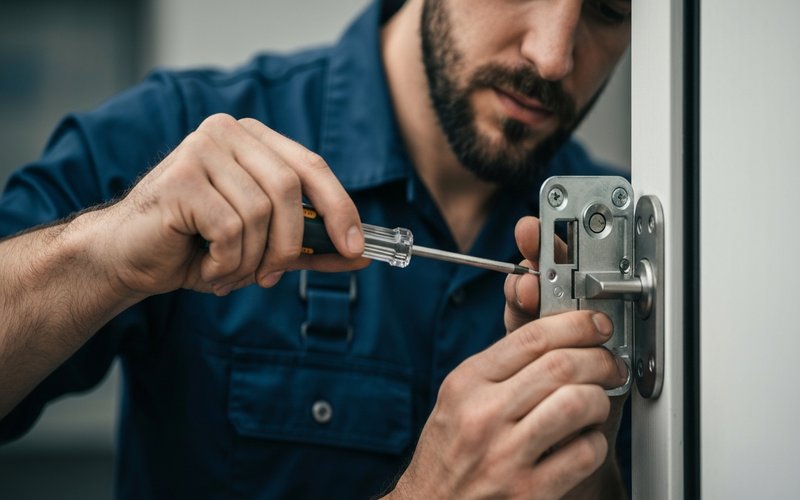
One of the most critical safety tips we share with new homeowners is to rekey or replace all locks immediately upon taking possession of a property. Rekeying is a cost-effective solution that changes the internal pins and springs of your existing locks so that old keys no longer work. This process is significantly less expensive than replacing all your locks while providing the same level of security against unauthorized key holders.
When you work with a professional locksmith for rekeying services, you can often have all your locks keyed alike, meaning one key will open all the doors in your home. This convenience eliminates the need to carry multiple keys while ensuring that your entire property operates on a single, secure key system that only you and your trusted family members possess.
The cost to rekey locks in West Babylon typically ranges from $75 to $150 per lock, depending on the complexity and type of lock. This investment is minimal compared to the potential loss and violation you could experience if an unauthorized person gains access to your home. A professional locksmith can usually complete the rekeying process for an entire home in just a few hours.
Choosing the Right Locks for Maximum Security
Not all locks are created equal, and understanding the different grades and types available can help you make informed decisions about your home security. The American National Standards Institute (ANSI) rates locks on a scale from Grade 1 (highest security) to Grade 3 (basic security).
Grade 1 locks are the most secure and are typically used in commercial applications, but they're also an excellent choice for residential front doors and other primary entry points. These locks can withstand significant force and manipulation attempts. Grade 2 locks offer very good security for residential use and are suitable for most homeowners' needs. Grade 3 locks provide basic security and are generally acceptable for interior doors or low-risk exterior doors.
Deadbolt locks are essential for any exterior door. A quality deadbolt should have at least a one-inch throw (the part that extends into the door frame) and be made of hardened steel to resist sawing or cutting. Single-cylinder deadbolts use a key on the outside and a thumb turn on the inside, while double-cylinder deadbolts require a key on both sides. Double-cylinder deadbolts offer additional security for doors with glass panels nearby but can pose a safety risk in emergencies if you can't quickly locate the key to exit.
Smart locks have become increasingly popular and offer convenience features like keyless entry, remote access, and activity logs. While these can enhance your security when properly installed and maintained, it's crucial to choose reputable brands and keep firmware updated to prevent hacking vulnerabilities.
Securing Sliding Doors and Windows
Many homeowners focus exclusively on their front and back doors while neglecting sliding glass doors and windows, which are common entry points for burglars. Sliding doors often come with inadequate locks that can be easily defeated by lifting the door off its track or forcing the latch.
For sliding glass doors, install a security bar or charley bar in the track to prevent the door from being opened even if the lock is compromised. You can also install additional locks specifically designed for sliding doors, such as dual-bolt locks or keyed locks that secure the door at multiple points. Adding a dowel or cut piece of wood in the track is a simple, cost-effective solution, but dedicated security devices offer better protection.
Windows, especially those on the ground floor or accessible from porches, balconies, or fire escapes, need proper securing. Window locks or pins that prevent windows from being opened more than a few inches provide ventilation while maintaining security. Glass break sensors and window security film can also deter break-ins by making it more difficult and noisier for intruders to gain access.
The Danger of Hiding Spare Keys
Almost everyone has considered hiding a spare key somewhere outside their home for emergencies, but this common practice creates a significant security vulnerability. Burglars know all the typical hiding spots: under doormats, above door frames, in fake rocks, inside planters, and under flower pots. Even seemingly clever hiding spots are often among the first places experienced criminals check.
Instead of hiding a key outside, consider these safer alternatives:
- Give a spare key to a trusted neighbor, family member, or friend who lives nearby
- Install a high-quality keyless entry system that uses codes instead of physical keys
- Use a secure lockbox with a combination code, though these can also be vulnerable if not properly secured
- Keep a spare key in your wallet or purse that you carry with you
- Work with a local locksmith who offers emergency lockout services
Regular Lock Maintenance and Inspection
Like any mechanical device, locks require regular maintenance to function properly and provide optimal security. Many homeowners never think about lock maintenance until a lock fails, but proactive care can prevent problems and extend the life of your locks.
Lubricate your locks at least twice a year using graphite powder or a silicone-based lubricant specifically designed for locks. Avoid using oil-based lubricants like WD-40, which can attract dirt and eventually gum up the internal mechanisms. If a key becomes difficult to turn or remove, this is an early warning sign that maintenance is needed.
Inspect strike plates (the metal plate on the door frame where the bolt extends) to ensure they're securely attached with screws that are at least three inches long, extending into the wall studs. Many builder-grade installations use short screws that only penetrate the door frame, making it easy to kick in the door despite having a quality lock.
Check that all exterior doors are solid core or metal rather than hollow core, which can be easily breached. The door itself is as important as the lock securing it. Even the best deadbolt won't protect you if your door can be easily kicked in or broken.
How to Verify You're Hiring a Legitimate Locksmith
Unfortunately, the locksmith industry has some disreputable operators who take advantage of people in emergency situations. Knowing how to identify a legitimate, professional locksmith is crucial for your safety and security. In New York State, locksmiths are required to be licensed, so always verify licensing before hiring someone.
Legitimate locksmiths will:
- Provide a physical business address, not just a phone number
- Arrive in a marked company vehicle with proper branding
- Present identification and licensing credentials upon arrival
- Provide a detailed estimate before beginning work
- Be able to answer specific questions about their methods and the services they'll provide
- Have established online reviews and a verifiable business history
- Quote extremely low prices over the phone but dramatically increase costs upon arrival
- Insist on drilling out locks as the first solution rather than attempting non-destructive entry methods
- Arrive in unmarked vehicles or refuse to provide identification
- Demand cash-only payment
- Cannot provide proof of insurance or licensing
Understanding When You Need a Locksmith
Knowing when to call a professional locksmith rather than attempting DIY solutions can save you money, time, and potential security issues. Many homeowners try to solve lock problems themselves, only to cause additional damage that results in more expensive repairs.
You should call a professional locksmith when:
- You've been locked out of your home and don't have a spare key accessible
- You're moving into a new home and need all locks rekeyed
- A key has broken off inside a lock
- Your locks are damaged or malfunctioning
- You want to upgrade your home security system
- You need high-security locks installed
- Your home has been burglarized and you need immediate lock replacement
- You're experiencing repeated key or lock issues that indicate internal mechanism problems
Creating a Comprehensive Security Plan
While quality locks are fundamental to home security, they're most effective as part of a comprehensive security plan. Consider how different security elements work together to protect your property.
Exterior lighting is a powerful deterrent to burglars who prefer to work in darkness. Motion-activated lights near doors, windows, and other potential entry points make it difficult for intruders to approach undetected. Smart lighting systems can even be programmed to create the appearance that someone is home when you're away.
Security cameras and doorbell cameras have become increasingly affordable and easy to install. These devices not only record evidence if a break-in occurs but also deter criminals who see them. Many modern systems allow you to monitor your property remotely from your smartphone.
Alarm systems provide an additional layer of security and can alert you and authorities to unauthorized entry. When choosing an alarm system, look for one that includes door and window sensors, motion detectors, and professional monitoring services.
Don't advertise your absences on social media or make it obvious when you're away. Use timers for lights and radios, stop mail and newspaper delivery, and ask a trusted neighbor to park in your driveway occasionally. These simple measures create the impression that someone is home.
Special Considerations for Different Lock Types
Different situations call for different types of locks and security solutions. Understanding these specialized applications helps you make informed decisions about securing your specific property.
For homes with children, you may need to balance security with emergency exit capabilities. While double-cylinder deadbolts offer superior security, they can be dangerous if family members can't quickly exit during a fire or other emergency. Consider single-cylinder deadbolts or smart locks that allow for quick egress while maintaining security against break-ins.
If you have elderly family members living with you, consider locks that are easy to operate while still providing adequate security. Lever-style handles are often easier to use than traditional doorknobs for people with arthritis or limited hand strength. Smart locks with keypad entry eliminate the need to fumble with keys.
For rental properties, landlords need to consider rekeying between tenants and maintaining master key systems that provide emergency access while respecting tenant privacy. Professional locksmiths can create master key systems that allow property managers to access units when necessary while preventing tenants from accessing other units.
The Cost of Professional Locksmith Services
Understanding typical locksmith costs helps you budget for security improvements and recognize when you're being quoted fair prices. In the West Babylon and Long Island area, professional locksmith rates vary based on the service, time of day, and complexity of the job.
For standard lockout services during regular business hours, expect to pay between $75 and $150. Emergency services after hours, on weekends, or during holidays typically cost 1.5 to 2 times the regular rate. This premium reflects the locksmith's availability during inconvenient hours and is standard across the industry.
Lock rekeying generally costs $75 to $150 per lock, though many locksmiths offer discounts when rekeying multiple locks during the same service call. Completely replacing locks ranges from $100 to $250 per lock depending on the quality and security level of the new lock.
High-security lock installation can cost $200 to $500 per door but provides significantly enhanced protection against picking, drilling, and unauthorized key duplication. For many homeowners, installing high-security locks on primary entry points while using standard locks on secondary doors offers a good balance of security and cost-effectiveness.
When evaluating quotes, the cheapest option isn't always the best value. Consider the locksmith's reputation, licensing, insurance, and the quality of products they install. A slightly higher upfront cost often results in better security and longer-lasting hardware that provides better value over time.
Emergency Preparedness and Locksmith Services
Having a plan for lock-related emergencies can save you significant stress and expense when problems occur. Keep contact information for a trusted local locksmith readily available, not just online where you might not be able to access it if your phone is locked inside your home.
Create a list of who has keys to your home and update it regularly. If you've given keys to house sitters, contractors, or service providers, collect them when the service is complete or rekey your locks if keys can't be retrieved. Many security breaches occur because homeowners lose track of who has access to their property.
Consider keeping a spare car key in your home and a spare house key in your car, but never keep them together. This separation ensures you have backup access options even if you're locked out of one location.
If you discover signs of attempted break-in such as scratches around locks, bent strike plates, or damaged door frames, don't wait to address the issue. These signs indicate someone has targeted your home and may return. Contact a professional locksmith immediately to assess the damage and upgrade your security as needed.
Seasonal Security Checks
Your home's security needs may change with the seasons, and conducting regular seasonal checks ensures your locks and security measures remain effective year-round. Cold weather can affect lock operation, causing them to stick or freeze. Lubricating locks before winter helps prevent these issues.
Before leaving for extended vacations, schedule a security inspection to ensure all locks are functioning properly. The last thing you want is to return home to find that a malfunctioning lock allowed unauthorized access while you were away.
Spring and fall are excellent times to conduct comprehensive security audits. Check all locks, replace worn keys before they break, update security codes, and test alarm systems. Trim bushes and trees near windows and doors that could provide cover for burglars. These seasonal maintenance tasks take minimal time but significantly enhance your home's security.
Teaching Family Members About Lock Safety
Everyone in your household should understand basic lock safety practices. Teach children to keep doors locked and not to open doors to strangers, even if the person claims to be a delivery person or service worker. Role-playing different scenarios helps children learn appropriate responses to unexpected visitors.
Ensure all family members know how to properly lock doors and windows. It's surprising how many people don't fully engage deadbolts or fail to lock sliding doors properly. A lock only provides security when used correctly.
Discuss the importance of not sharing security codes or hiding keys with friends. Many burglaries occur because someone the family trusted shared access information with others or because information was overheard in public places.
Make sure everyone knows how to exit the home quickly in an emergency, even when doors are locked. Practice emergency exits periodically, particularly if you have double-cylinder deadbolts that require keys for interior exit.
Need Professional Help?
Protecting your West Babylon home requires more